
Facebook Pixel

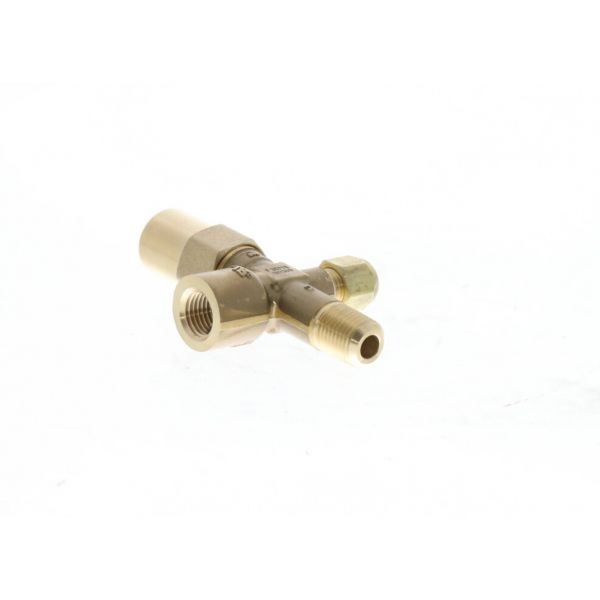
Mueller Industries A19084 Transducer Valve NPTFI X NPTFE

Special Price $65.81 Regular Price $75.68
In stock
SKU
A19084
The Mueller Industries A19084 is a transducer valve used in HVAC systems. A transducer valve is one that changes one form of signal to another. In HVAC systems, this generally involves converting the pressure of fluids into an electrical signal. The electrical signal can in turn be utilized to direct with considerable efficiency the heating and cooling systems. For example, a transducer valve can be applied to measure and control pressure in a refrigerant line to provide well performance of an air conditioner. It comes with an NPT female inlet connection and an NPT male outlet connection for ease of installating with regular HVAC pipes.
https://www.partshnc.com/media/catalog/product/a/1/a19084.jpg

Specifications

  • Valve Type: Transducer Valve
  • Weight: 0.45lbs
  • End Connections: NPT Female Inlet x NPT Male Outlet
  • Material: Brass
  • Size: 1/2" or 3/4"
Manufacturer Name: Mueller Industries
Product Number: A19084
OEM Part Number: A19084
Product Description: Nptfi X Nptfe Transducer Valve
Weight:0.45lbs/204.12g

Choose the best HVAC equipment parts and supplies from PartsHnC!

  • Same Day Shipping

  • Best Quality And Best Price

  • Wide Range of Inventory

  • Best Customer Service

Have More Questions or Need Help to Place The Order?
Reach us at (866)773-0907 or [email protected]

Write Your Own Review
You're reviewing:Mueller Industries A19084 Transducer Valve NPTFI X NPTFE
Your Rating
Customer Questions
What maintenance is required for the Mueller Industries A19084 Transducer Valve?

Inspect the valve regularly for thread leaks, corrosion, and seal wear. Ensure fittings remain properly tightened to the manufacturer torque specifications. Clean external surfaces and ports to prevent debris buildup. During shutdowns, verify pressure compatibility and replace damaged seals promptly.

What are common issues with the Mueller Industries A19084 Transducer Valve?

  • Thread leakage at NPTFI/NPTFE connections causing pressure drop or seepage.
  • Sensor or transducer signal fluctuation leading to inaccurate readings.
  • Valve sticking or restricted flow due to internal buildup or debris.
  • Housing corrosion or seal degradation affecting operational stability.

Installation Steps

Step 1: Turn off and depressurize the HVAC system before service.

Step 2: Identify inlet and outlet ports and confirm flow direction.

Step 3: Remove the existing old valve and clean pipe threads thoroughly.

Step 4: Apply approved thread sealant and install new valve in correct orientation.

Step 5: Tighten fittings securely without over-torquing to secure body damage.

Step 6: Restore system pressure, check for leaks, and check proper pressure/signal operation.