Facebook Pixel

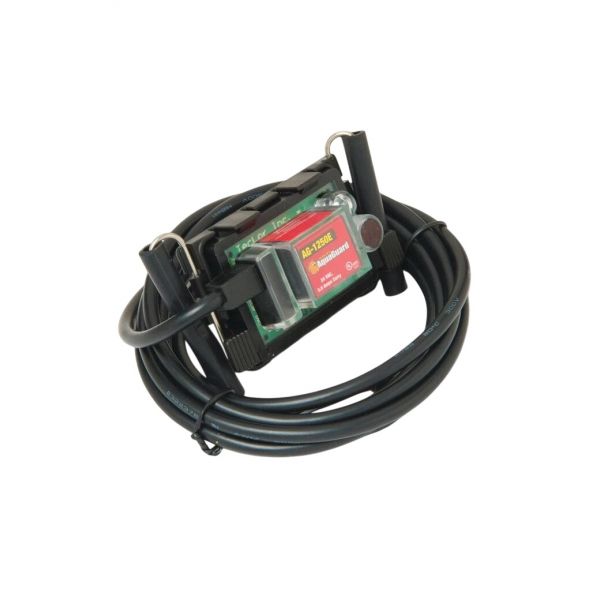
Rectorseal 96108 Aqua Guard Multi-Purpose Water Sensor Metal/Plastic 1250E

Special Price $29.25 Regular Price $38.02
In stock
SKU
96108
The Rectorseal 96108 Aqua Guard Multi-Purpose Water Sensor 1250E is a secure component that detects unwanted fluid flow and initiates a response to assist in minimizing damage in HVAC systems. It is an application of metal and plastic sensing connections that monitor liquid at and above the surface when it is used in air handlers and condensate pans. The sensor is mounted in locations that water can be collected and attached to a control input or alarm circuit. The flow of water closes the sensing circuit and signal that the component is wet, assisting in preventing leak or overflow.
https://www.partshnc.com/media/catalog/product/9/6/96108.jpg
Manufacturer Name: Rectorseal
Product Number: 96108
OEM Part Number: 96108
Product Description: Ag 1250E Sensor Metal/Plastic
Weight:0.41lbs/185.97g

Choose the best HVAC equipment parts and supplies from PartsHnC!

  • Same Day Shipping

  • Best Quality And Best Price

  • Wide Range of Inventory

  • Best Customer Service

Have More Questions or Need Help to Place The Order?
Reach us at (866)773-0907 or [email protected]

Write Your Own Review
You're reviewing:Rectorseal 96108 Aqua Guard Multi-Purpose Water Sensor Metal/Plastic 1250E
Your Rating
Customer Questions
What maintenance is required for the Rectorseal 96108 Sensor?

Regularly inspect the sensor for dirt, corrosion, or physical damage and clean it gently with a soft cloth. Ensure secure wiring connections and proper positioning. Routine checks help maintain accurate readings and prevent system faults. Always disconnect power before handling.

What are common issues with the Rectorseal 96108 Sensor?

  • Inaccurate sensor readings due to contamination or wear.
  • Loose or faulty wiring connections affecting performance.
  • Sensor failure from longer exposure to moisture or heat.
  • Intermittent signal output causing inconsistent system response.

Installation Steps

Step 1: Turn off power and verify circuit is de-energized.

Step 2: Mount sensor on surface using supplied bracket/screws.

Step 3: Connect wiring terminals according to system schematic, ensuring correct polarity and secure connections.

Step 4: Route cable away from sharp edges and heat sources, secure with clips.

Step 5: Restore power and test sensor operation for proper response.