Facebook Pixel

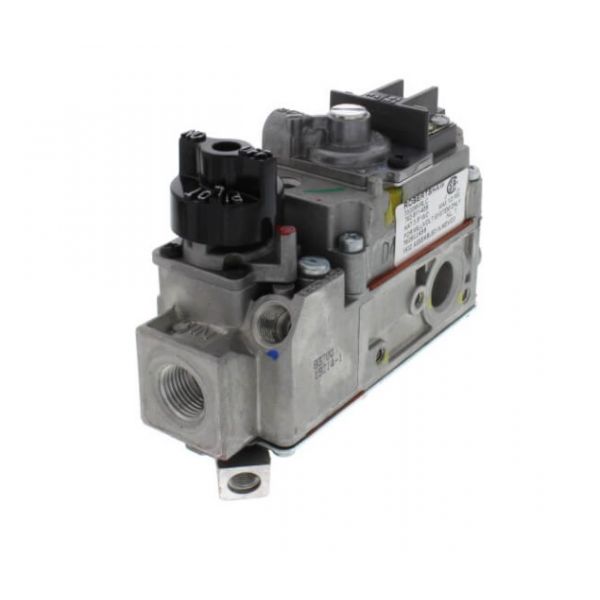
Robertshaw 710-508 Millivolt Natural Gas Valve 3/8" X 3.5"

Special Price $151.16 Regular Price $173.84
In stock
SKU
710-508

The Robertshaw 710-508 is a highly reliable 3/8 inch natural gas valve, specifically designed for use in HVAC systems. With a 3.5-inch pressure rating and millivolt (MV) power operation, this valve is appropriate for a variety of heating equipment. Its system controls the burner's intake of natural gas, resulting in safe and effective burning. Furnaces, boilers, and water heaters frequently have the 710-508 valve installed in order to regulate the fuel supply and maintain steady heating performance. It's perfect for demanding HVAC situations because of its sturdy build and compact form. The Robertshaw 710-508 has longer equipment lifespan, better safety measures, and increased energy economy. because to its accurate control and dependable performance.

Manufacturer:
https://www.partshnc.com/media/catalog/product/7/1/710-508.jpg

Product Overview:
Regulating fuel admission in self-powered heating systems, low-capacity millivolt gas valves maintain steady manifold pressure without external line voltage. The Robertshaw 710-508 Natural Gas Valve Millivolt 3/8" X 3.5" manages natural gas fuel delivery within applicable heating systems. Operating on self-generated millivolt current, this compact combination valve integrates manual control, pressure regulation, and safety shut-off functions into a single assembly. It regulates fuel supply to maintain a calibrated WC pressure setting across heating demand cycles in hearth products, wall heaters, and unvented room heaters.

Fuel Flow Control:
Through its internal control mechanism, the valve regulates gas passage according to the operating condition established by the heating system. The mechanism responds to the applicable control signal and changes the fuel-flow condition within the valve. This coordinates gas availability with the connected burner circuit.

Combustion Safety Interlock:
Positioned directly within the fuel supply line upstream of the burner, the valve serves as a primary safety interlock in the millivolt control loop. The valve operates in series with pilot safety circuits and wall switches or thermostats and remains locked out if pilot flame verification is lost. When operating normally, the valve permits natural gas delivery during calls for heat and closes immediately upon loss of millivolt current or pilot outage.

Replacement Guidelines:
Replacement may be appropriate when internal magnetic operators fail, mechanical valve seats stick, or internal regulator diaphragms deteriorate and affect the gas-control function. For the Robertshaw 710-508, relevant conditions may include failure to open when millivolt current is present, erratic 3.5" WC pressure regulation, or failure to stop gas flow when de-energized. Replacing the valve restores the intended pressure regulation, manual shut-off, and millivolt-actuated gas-flow control functions.

Common Failure Symptoms:

  • Main burner failing to ignite despite a fully established pilot flame generating proper millivolt output.
  • Unstable burner flame patterns caused by fluctuating 3.5" WC manifold natural gas pressure.
  • Inability of the pilot magnet safety circuit to hold in after pressing and releasing the control knob.
  • Gas valve remaining closed due to internal mechanical linkage binding or corrosion.
  • Intermittent burner shutdown during heating cycles caused by magnetic operator failure.

Equipment Compatibility:
The Robertshaw 710-508 applies to specific heating units produced by the manufacturer. Before purchasing, verify that the application matches the exact attributes listed in the Technical Specifications table, including the brand, part number, product type, connection size, fuel type, control system, and pressure setting.

Technical Specifications:
Brand: Robertshaw
Part Number: 710-508
Product Type: Natural Gas Valve
Activation Type: Millivolt
Size: 3/8"
Gas Size: 3.5"

Write Your Own Review
You're reviewing:Robertshaw 710-508 Millivolt Natural Gas Valve 3/8" X 3.5"
Your Rating
Customer Questions
What maintenance is required for the Robertshaw 710-508 Millivolt Natural Gas Valve?

Regularly inspect the valve for gas leaks, corrosion, or loose fittings around the connections. Keep the area clean and free from dust or debris that could affect operation. Check wiring and thermopile connections for secure contact. Always shut off the gas supply before performing any inspection or servicing.

What are common issues with the Robertshaw 710-508 Millivolt Natural Gas Valve?

  • Gas valve fails to open or close properly during operation.
  • Weak or inconsistent millivolt signal from the thermopile.
  • Gas flow restriction due to internal blockage.
  • Intermittent burner ignition or shutdown problems.

How does the Robertshaw 710-508 regulate natural gas delivery?

The Robertshaw 710-508 is a millivolt natural gas valve used to regulate fuel delivery to burners in compatible heating equipment.

How does the millivolt mechanism actuate the Robertshaw 710-508?

The internal magnetic operator responds to millivolt current generated by a thermopile circuit to actuate the valve mechanism and establish gas passage.

How does the pressure regulator support burner fuel delivery?

The integrated pressure regulator maintains the designated outlet pressure as natural gas passes through the valve toward the burner.

What type of heating equipment is compatible with a millivolt gas valve?

A millivolt gas valve is used in compatible heating equipment that operates its gas-control circuit through a millivolt signal rather than a conventional line-voltage control.

How should the Robertshaw 710-508 gas valve be maintained?

The gas valve should be inspected as part of appropriate heating-equipment service, particularly if there are signs of inconsistent gas delivery, valve response, or burner operation. Servicing should follow the applicable equipment and manufacturer instructions.

Installation Steps

Step 1: Turn off gas supply and disconnect power.

Step 2: Remove old valve and clean pipe threads.

Step 3: Apply proper gas thread sealant.

Step 4: Install new valve aligning flow direction correctly.

Step 5: Tighten fittings securely without over-torquing.

Step 6: Reconnect pilot and thermocouple lines.

Step 7: Restore gas, check for leaks with soapy water, and test operation.