Facebook Pixel

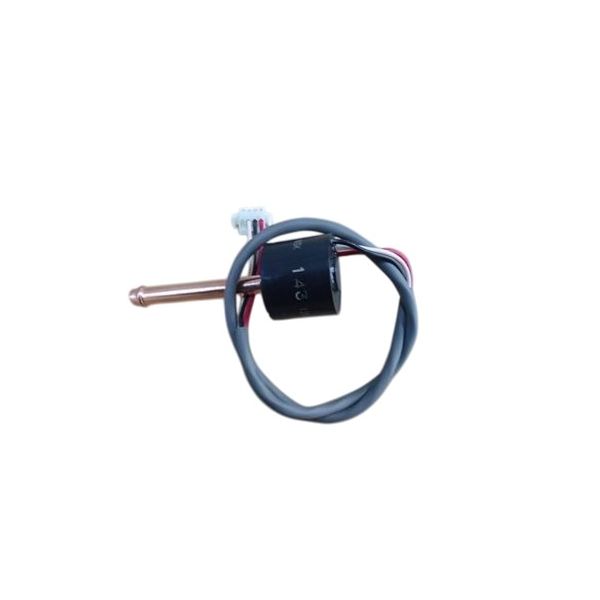
Daikin-McQuay 6023719 Low Pressure Sensor

Special Price $129.68 Regular Price $149.13
In stock
SKU
6023719
The Daikin-McQuay 6023719 Low Pressure Sensor is a circuit component that is used to detect the pressure within the system and send an electrical signal to the control board under the circumstances of pressure being below or exceeding the set limits in the HVAC systems. It is based on a pressure sensing diaphragm and switch assembly to detect the conditions that might reflect refrigerant loss, blockage or abnormal operation. It communicates with the control system to allow or disallow operation of the compressors. This helps to protect the compressor and ensure the efficient cooling work in the system.
https://www.partshnc.com/media/catalog/product/6/0/6023719.jpg
Manufacturer Name: Daikin-McQuay
Product Number: 6023719
OEM Part Number: 6023719
Product Description: Low Pressure Sensor
Weight:0.12lbs/54.43g

Choose the best HVAC equipment parts and supplies from PartsHnC!

  • Same Day Shipping

  • Best Quality And Best Price

  • Wide Range of Inventory

  • Best Customer Service

Have More Questions or Need Help to Place The Order?
Reach us at (866)773-0907 or [email protected]

Write Your Own Review
You're reviewing:Daikin-McQuay 6023719 Low Pressure Sensor
Your Rating
Customer Questions
What maintenance is required for the Daikin-McQuay 6023719 Low Pressure Sensor?

Regularly inspect the sensor for dust, debris, or corrosion on connections. Ensure proper calibration and secure wiring. Keeping the sensor clean prevents false readings and ensures safe, accurate operation. Handle with care to avoid damage to sensitive components.

What are common issues with the Daikin-McQuay 6023719 Low Pressure Sensor?

  • Inaccurate pressure readings.
  • Sensor signal loss or intermittent output.
  • Wiring or connection faults.
  • Failure to trigger system alerts properly.

Installation Steps

Step 1: Turn off power and depressurize system to avoid electrical shock or refrigerant release.

Step 2: Locate existing sensor and carefully disconnect wiring harness.

Step 3: Remove sensor using appropriate wrench, avoiding damage to ports.

Step 4: Install new sensor, ensuring correct orientation and sealing.

Step 5: Reconnect wiring per schematic and secure connections.

Step 6: Restore power, check readings and verify no leaks or faults.