
Facebook Pixel

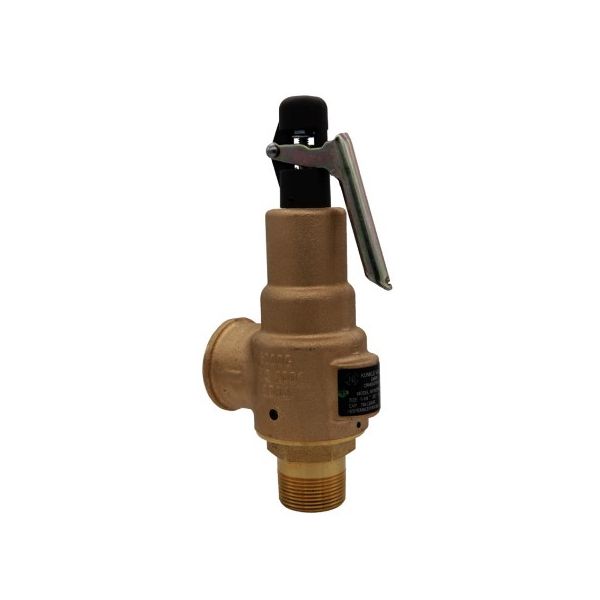
Kunkle Valve 6010FEE01AAM0150 Steam Relief Valve 1" X 1.25" 150 PSI 2583 PPH

Special Price $396.85 Regular Price $440.50
Out of stock
SKU
6010FEE01AAM0150
Kunkle Valve 6010FEE01AAM0150 Steam Relief Valve is intended to be a reliable pressure part for HVAC systems. It measures 1" x 1.25" in size and is rated at 150 PSI pressure, it effectively protects equipment from excessive pressure. This valve has a 2571 PPH capacity and is suitable for high-performance applications in HVAC systems. It is typically used in steam boilers, heat exchangers, and other steam-based equipment for its safety since it prevents pressure build-up that could result in equipment failure. Enhanced systems, reduced maintenance, and improved operational efficiency of the system make it a productive component of the reliable HVAC system.
Manufacturer:

https://www.partshnc.com/media/catalog/product/6/0/6010fee01aam0150-1.jpg

Specifications

  • Type: Steam Relief
  • Connection Size: 1" X 1.25"
  • Pressure Rating: 150 PSI
  • Capacity: 2571 PPH
Write Your Own Review
You're reviewing:Kunkle Valve 6010FEE01AAM0150 Steam Relief Valve 1" X 1.25" 150 PSI 2583 PPH
Your Rating
Customer Questions
What maintenance is required for the Kunkle Valve 6010FEE01AAM0150 Steam Relief Valve?

Regular inspection of the valve for leaks and corrosion is essential. Ensure the relief mechanism moves freely and test pressure settings periodically. Clean debris from ports, and always follow safety protocols to prevent accidental discharge.

What are common issues with the Kunkle Valve 6010FEE01AAM0150 Steam Relief Valve?

  • Valve sticking or failing to open.
  • Leaks around seals or connections.
  • Corrosion affecting metal components.
  • Erratic pressure release or inconsistent flow.

Installation Steps

Step 1: Isolate and depressurize steam system, verify zero pressure.

Step 2: Confirm valve orientation and inlet/outlet alignment, apply thread sealant.

Step 3: Install valve onto inlet connection, tighten to manufacturer torque specifications.

Step 4: Route discharge piping for safe venting, avoid any blockage or restriction.

Step 5: Test at low pressure, check for leaks and correct operation.