Facebook Pixel

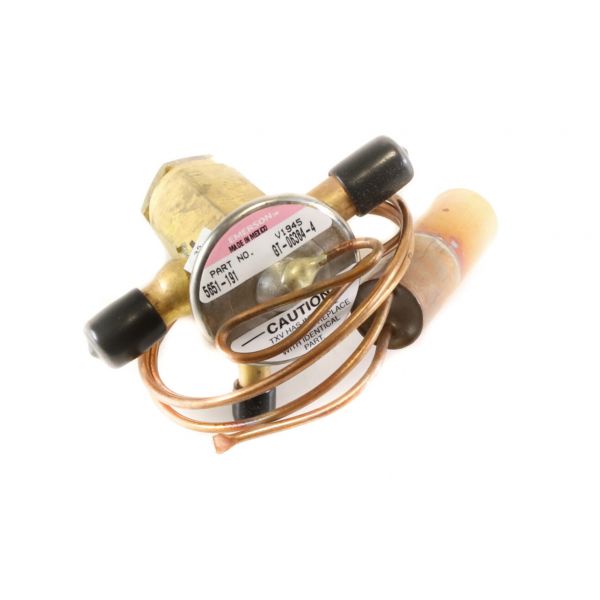
Bard HVAC 5651-191BX Expansion Valve 3/8" X 3/8"

Special Price $171.17 Regular Price $196.85
In stock
SKU
5651-191BX
The Bard HVAC 5651-191BX Expansion Valve is an essential component in HVAC systems with a 3/8” x 3/8” connection. In this capacity, it controls the amount of refrigerant that enters the evaporator coil to the right level. This metering process results in enablement of the refrigerant to expand in order to take heat from the surrounding air and cool the room. Advantages associated with this valve include efficiency of the system as a result of regulation of temperature, energy conservation as well as the prevention of the compressor from being damaged. Its precise function makes it possible to achieve better performance and durability of HVAC systems.
Manufacturer:
https://www.partshnc.com/media/catalog/product/5/6/5651-191bx.jpg

Specifications

  • Type: Expansion Valve
  • Connection Size: 3/8" X 3/8"

PRODUCT OVERVIEW:
Refrigerant flow into the evaporator is regulated to support the cooling cycle and maintain appropriate operating conditions. The Bard HVAC 5651-191BX Expansion Valve 3/8" X 3/8" OEM controls refrigerant metering within the refrigeration circuit, helping manage the amount of refrigerant entering the evaporator. Its operation supports the heat-transfer process required for system cooling.

REFRIGERANT METERING:
An expansion valve regulates the amount of refrigerant supplied to the evaporator based on the system's operating requirements. By controlling refrigerant flow, it helps maintain the balance between refrigerant entering the evaporator and the heat absorbed during operation.

PRESSURE REDUCTION ACROSS:
As refrigerant passes through the expansion valve, its pressure is reduced before it enters the evaporator. This pressure change prepares the refrigerant for evaporation and allows it to absorb heat from the conditioned air or surrounding space.

REPLACEMENT GUIDELINES:
Replace the Bard HVAC 5651-191BX Expansion Valve 3/8" X 3/8" when refrigerant metering becomes inconsistent, the valve becomes restricted, or its operation contributes to abnormal evaporator performance. Leakage, blockage, or an inability to regulate refrigerant flow may also indicate that replacement is necessary. Before installation, verify the original part number, refrigerant type, connection configuration, and equipment requirements with the manufacturer's documentation.

COMMON FAILURE SYMPTOMS:

  • Insufficient refrigerant flow may cause reduced evaporator cooling and declining system capacity.
  • Excessive refrigerant flow can contribute to unstable evaporator operation and abnormal superheat conditions.
  • A restricted valve may cause low suction pressure and inconsistent cooling performance.
  • Internal wear or damage may prevent the valve from regulating refrigerant flow properly.
  • Refrigerant leakage around the valve connections may affect system charge and cooling operation.

EQUIPMENT COMPATIBILITY:
The Bard HVAC 5651-191BX Expansion Valve 3/8" X 3/8" OEM is intended for compatible HVAC refrigeration circuits that require a matching expansion valve assembly. Selection should account for the equipment's refrigerant type, evaporator capacity, metering requirements, and piping configuration. Verify the equipment model, piping configuration, valve connection, actuator compatibility, and flow requirements against the equipment documentation before selecting the replacement.

TECHNICAL SPECIFICATIONS:
Product Identification:
Brand: Bard HVAC
Part Number: 5651-191BX
Product Type: Expansion Valve
Connection Details:
Connection Size: 3/8" X 3/8"
Application Details:
Application: Refrigerant Flow Regulation

Write Your Own Review
You're reviewing:Bard HVAC 5651-191BX Expansion Valve 3/8" X 3/8"
Your Rating
Customer Questions
What maintenance is required for the Bard HVAC 5651-191BX Expansion Valve?

Inspect the expansion valve periodically for refrigerant leaks and ensure stable pressure control. Keep the valve clean free from debris and verify connections are tight. Check superheat settings and system performance to ensure efficient cooling operation.

What are common issues with the Bard HVAC 5651-191BX Expansion Valve?

  • Refrigerant leakage.
  • Stuck or clogged valve.
  • Incorrect superheat control.
  • Inconsistent cooling performance.
  • Connection fitting loosening.
  • Fluctuating pressure regulation.

How does the Bard HVAC 5651-191BX expansion valve control refrigerant entering the evaporator?

The valve meters refrigerant through a restricted internal passage, reducing its pressure before it enters the evaporator for heat absorption.

What is the function of the Bard HVAC 5651-191BX expansion valve in a refrigeration system?

The Bard HVAC 5651-191BX regulates refrigerant flow into the evaporator to support controlled refrigerant delivery and heat absorption during the cooling cycle.

Which refrigeration system details should be confirmed before selecting the Bard HVAC 5651-191BX as a replacement?

Verify the existing valve part number, 3/8-inch inlet and outlet connection sizes, refrigerant type, and system capacity requirements against the equipment manufacturer's documentation.

What conditions can indicate that the Bard HVAC 5651-191BX expansion valve needs replacement?

Replace the valve if internal blockage, leakage, mechanical damage, or loss of metering control prevents consistent refrigerant delivery to the evaporator.

What cooling problems may indicate a malfunctioning Bard HVAC 5651-191BX expansion valve?

Poor cooling output, evaporator frosting, inconsistent refrigerant flow, or abnormal suction pressure may indicate that the expansion valve is not regulating refrigerant properly.

Installation Steps

Step 1: Turn off power and recover refrigerant; ensure system is fully isolated and depressurized.

Step 2: Remove old expansion valve and clean inlet/outlet tubing thoroughly.

Step 3: Install new valve in correct flow direction and braze connections using nitrogen purge.

Step 4: Allow joints to cool, then perform pressure test for leaks.

Step 5: Evacuate system to deep vacuum and recharge with correct refrigerant charge.

Step 6: Start system and check proper superheat, stable suction pressure, and coil performance.