
Facebook Pixel

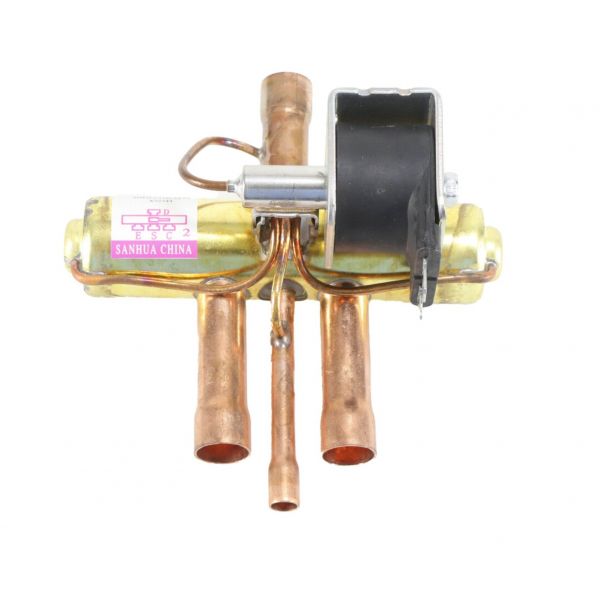
Bard HVAC 5650-051BX Reversing Valve 1/2" X 1/2"

Special Price $101.62 Regular Price $116.86
In stock
SKU
5650-051BX
The Bard HVAC 5650-051BX Reversing Valve is a vital part that was regenerated for heat pump systems to help the systems change between heating and cooling. This valve is 1/2” x 1/2” and works by changing the refrigerant flow through a slide that is operated by a solenoid, which is triggered by the thermostat. This functionality enables a single HVAC system to provide comfort during the cold and hot hence suitable for use in homes. Some advantages of using this reversing valve include increased energy conservation, low operational costs, and well control of indoor conditions since it works effectively in different temperatures.
Manufacturer:
https://www.partshnc.com/media/catalog/product/5/6/5650-051bx.jpg

Specifications

  • Type: Reversing Valve
  • Size: 1/2" X 1/2"

PRODUCT OVERVIEW:
As part of a heat pump HVAC system, the Bard HVAC 5650-051BX Reversing Valve 1/2" X 1/2" regulates the directional flow of refrigerant through the system's sealed circuit. This reversing valve body serves as the directional switching control within heat pump equipment, changing how thermal energy is transferred based on operational demand. By directing high-pressure discharge gas from the compressor to either the indoor coil or the outdoor coil, the Bard enables dual-mode operation, allowing a single heat pump system to provide complete climate regulation.

REVERSING VALVE MECHANISM:
Refrigerant direction is changed by the internal mechanism moving between its designated valve positions. Each position alters the connection between the refrigerant passages, allowing one flow arrangement to be established while another is closed. This movement controls communication between the connected lines and directs refrigerant through the appropriate circuit pathways according to the equipment's operating sequence.

FOUR-PIPE REFRIGERANT CONTROL:
A four-pipe refrigerant arrangement uses separate circuit pathways to manage different operating conditions within the equipment. The valve changes refrigerant communication within this arrangement to control circulation through the designated paths. This allows the equipment control sequence to establish the refrigerant condition required for its selected operation and dehumidification process.

REPLACEMENT GUIDELINES:
Replacement of the Bard 5650-051BX valve body is appropriate when mechanical failure, structural damage, or internal blow-by prevents the component from maintaining proper pressure differentials. Internal slide wear or debris buildup can cause the slide mechanism to bind, preventing full port alignment and permitting high-pressure discharge gas to bypass directly into the low-pressure suction line. Replacing the valve restores complete port sealing and proper refrigerant flow separation across operational cycles.

Common Failure Symptoms:

  • Equipment stuck in a single operating mode, failing to switch upon demand.
  • Thermal bypass resulting in hot discharge gas leaking into the suction line.
  • Reduced system heating capacity or cooling capacity due to partial slide positioning.
  • Equalized high and low system pressures indicating internal port blow-by.
  • External physical deformation or damage to the valve body or port connections.

EQUIPMENT COMPATIBILITY:
The Bard 5650-051BX applies to Bard HVAC heating and cooling equipment designed for 4-way reversing valves. Before purchasing, verify that the replacement part matches the exact attributes listed in the Technical Specifications table, including the brand, part number, product type, line connection sizes, and application.

Technical Specifications:
Product identification:
Brand: Bard HVAC
Part Number: 5650-051BX
Product Type: Reversing Valve
Physical specifications:
Line Connection Sizes: 1/2" x 1/2"

Write Your Own Review
You're reviewing:Bard HVAC 5650-051BX Reversing Valve 1/2" X 1/2"
Your Rating
Customer Questions
What maintenance is required for the Bard HVAC 5650-051BX Reversing Valve?

Regularly inspect the reversing valve for refrigerant leaks and proper switching between heating and cooling modes. Keep coil and wiring clean, secure, and corrosion-free at all times. Preventive servicing maintains efficiency and avoids system failures.

What are common issues with the Bard HVAC 5650-051BX Reversing Valve?

  • Refrigerant leakage from worn seals or valve body damage.
  • Valve sticking or failure to switch heating/cooling modes.
  • Electrical coil malfunction causing erratic operation.
  • Internal blockage reducing refrigerant flow and system efficiency.

What is the Bard HVAC 5650-051BX Reversing Valve used for?

The Bard HVAC 5650-051BX Reversing Valve controls refrigerant routing within compatible Bard HVAC equipment according to the required operating condition.

What role does the Bard HVAC 5650-051BX play in the refrigerant circuit?

The Bard HVAC 5650-051BX controls connections between refrigerant pathways so the equipment can establish the required flow arrangement.

How does the Bard HVAC 5650-051BX change refrigerant flow?

The reversing valve moves its internal mechanism between designated positions to change the connections between refrigerant passages.

How does the reversing valve support different operating conditions?

The valve changes refrigerant circulation between designated circuit pathways, allowing compatible equipment to establish the flow arrangement required by its operating sequence.

What type of equipment uses the Bard HVAC 5650-051BX?

The Bard HVAC 5650-051BX is used in specified Bard HVAC equipment requiring the corresponding four-pipe valve configuration.

Installation Steps

Step 1: Turn off electrical power and shut off refrigerant system; recover charge if required.

Step 2: Remove access panel and mark all refrigerant line and coil connections.

Step 3: Disconnect electrical solenoid coil wiring carefully.

Step 4: Brazing out old reversing valve using proper refrigerant recovery and heat shielding.

Step 5: Install new valve, ensuring correct flow orientation.

Step 6: Braze connections securely and leak-check all joints.

Step 7: Evacuate system, recharge refrigerant, then restore power and test operation.