Facebook Pixel

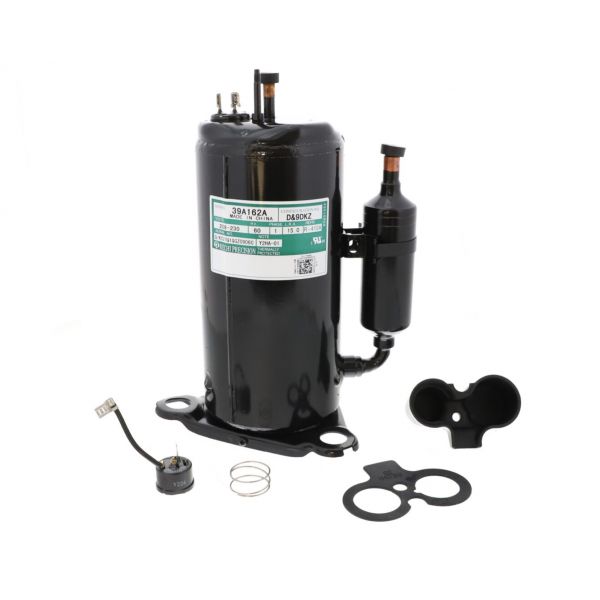
Amana-Goodman 39A162AS 208-230V1Ph R410A Compressor

Special Price $499.80 Regular Price $554.78
In stock
SKU
39A162AS

The Amana-Goodman 39A162AS 208-230V1Ph R410A compressor plays an important role in HVAC systems. It operates on 208-230V single-phase electricity and uses R410A refrigerant for efficient heat exchange. This compressor is extensively used in a variety of HVAC equipment, including air conditioners and heat pumps. It works by compressing the refrigerant, which goes through a compression and expansion cycle to remove heat from inside rooms during cooling and transport it outdoors. This Amana-Goodman 39A162AS 208-230V1Ph R410A compressor plays an important role in HVAC systems in terms of dependable performance, energy economy, and compatibility with new ecologically friendly refrigerants such as R410A, offering excellent comfort while reducing environmental efficacy.

https://www.partshnc.com/media/catalog/product/3/9/39a162as.jpg
Manufacturer Name: Amana-Goodman
Product Number: 39A162AS
OEM Part Number: 39A162AS
Product Description: 208-230V1ph R410a Compressor
Weight:21.25lbs/9638.83g

Choose the best HVAC equipment parts and supplies from PartsHnC!

  • Same Day Shipping

  • Best Quality And Best Price

  • Wide Range of Inventory

  • Best Customer Service

Have More Questions or Need Help to Place The Order?
Reach us at (866)773-0907 or [email protected]

Write Your Own Review
You're reviewing:Amana-Goodman 39A162AS 208-230V1Ph R410A Compressor
Your Rating
Customer Questions
What maintenance is required for the Amana-Goodman 39A162AS Compressor?

Inspect refrigerant lines and electrical connections regularly for leaks, corrosion, or looseness. Ensure proper airflow around the unit to prevent overheating and maintain efficiency. Periodic system pressure checks and servicing help protect compressor performance and reduce risk of internal damage or refrigerant imbalance.

What are common issues with the Amana-Goodman 39A162AS Compressor?

  • Refrigerant leakage causing reduced cooling.
  • Electrical failure or capacitor issues.
  • Compressor overheating during heavy load.
  • Unusual noise or excessive vibration.
  • Reduced efficiency or inconsistent pressure.

Installation Steps

Step 1: Disconnect electrical power and safely recover refrigerant using proper recovery equipment.

Step 2: Remove old compressor, label and inspect suction and discharge lines for damage.

Step 3: Mount new compressor securely on base with proper vibration pads.

Step 4: Braze refrigerant lines using nitrogen purge to prevent oxidation and leaks.

Step 5: Evacuate system with vacuum pump and verify deep vacuum holds steady.

Step 6: Recharge refrigerant to manufacturer specs, then test full operation.