Facebook Pixel

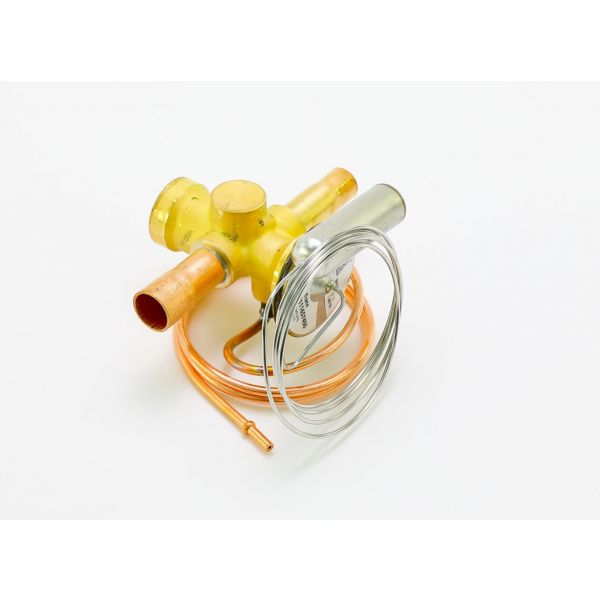
Trane VAL10591 Thermal Expansion Valve(TXV) 3/8X1/2" 7-Ton R410A

Special Price $150.17 Regular Price $172.69
In stock
SKU
VAL10591
The Trane VAL10591 Thermal Expansion Valve is part of the HVAC that controls the amount of refrigeration to the evaporator. Being a TXV, it switches in response to the temperature and pressure of the leaving refrigerant, which is after the evaporator coil. This has a 7-ton tank, and pressure regulation is at 115 PSI. The is made of stainless steel. It is easy to use during installation and maintenance. This valve is mainly applied to commercial and industrial air conditioning systems where the control of refrigerant is critical to the stability of the cooling capacity and energy use.
Manufacturer:
https://www.partshnc.com/media/catalog/product/v/a/val10591.jpg

Specifications

  • Capacity: 7 Ton
  • Pressure Regulator(PSI): 115 PSI
  • Material: Stainless Steel
  • Actuator Type: Thermostatic
  • Valve Type: Expansion Valve
  • Weight: 0.83 Lbs

PRODUCT OVERVIEW:
The thermal expansion valve regulates the flow of liquid refrigerant entering the evaporator coil, supporting controlled refrigerant distribution throughout the cooling cycle. The Trane VAL10591 is an OEM thermal expansion valve designed for 7-ton HVAC applications using R-410A refrigerant. It features 3/8" x 1/2" connections and regulates refrigerant feed in response to changing evaporator conditions, helping maintain the required cooling operation.

REFRIGERANT SUPERHEAT REGULATION:
A thermal expansion valve adjusts refrigerant flow by responding to temperature and pressure conditions associated with the evaporator. As cooling demand changes, the valve modulates its opening to regulate the amount of refrigerant entering the coil. This process maintains appropriate evaporator superheat and helps prevent excessive liquid refrigerant from reaching the compressor.

REFRIGERANT PRESSURE REDUCTION AND EXPANSION:
The TXV controls refrigerant flow between the high-pressure liquid line and the low-pressure evaporator circuit. As liquid R-410A passes through the valve's metering orifice, its pressure decreases before entering the evaporator. This pressure reduction allows the refrigerant to absorb heat as it moves through the cooling coil.

REPLACEMENT GUIDELINES:
Replacement may be necessary when internal valve restriction, mechanical wear, or sensing-element failure interferes with proper refrigerant metering. Before replacing the valve, a qualified technician should evaluate refrigerant charge, system pressures, evaporator conditions, and sensing-element operation. Confirm the part number, refrigerant type, capacity rating, and connection sizes against the equipment specifications before selecting a replacement.

COMMON FAILURE SYMPTOMS:

  • Reduced cooling performance due to insufficient refrigerant flow through the evaporator.
  • High superheat readings accompanied by low suction pressure when the valve underfeeds the evaporator.
  • Low superheat or liquid refrigerant floodback when the valve allows excessive refrigerant flow.
  • Evaporator coil frosting or icing associated with improper refrigerant distribution.
  • Unstable cooling operation or difficulty maintaining the required indoor temperature due to inconsistent refrigerant metering.

EQUIPMENT COMPATIBILITY:
The Trane VAL10591 is intended for compatible Trane HVAC equipment requiring a 7-ton thermal expansion valve for R-410A refrigerant. Verify the equipment model, refrigerant type, nominal capacity, 3/8" x 1/2" connection sizes, and existing part number before replacement. Matching the valve specifications with the original equipment requirements is necessary for proper application.

TECHNICAL SPECIFICATIONS:
Product Identification:
Brand: Trane
Part Number/SKU: VAL10591
Component Type: Thermal Expansion Valve (TXV)
Refrigerant: R-410A
Physical Specifications:
Connection Size: 3/8" x 1/2"
Flow & Capacity Specifications:
Nominal Capacity: 7 Ton

Write Your Own Review
You're reviewing:Trane VAL10591 Thermal Expansion Valve(TXV) 3/8X1/2" 7-Ton R410A
Your Rating
Customer Questions
What maintenance is required for the Trane VAL10591 Thermal Expansion Valve?

Regularly inspect the valve for leaks and debris buildup, ensure connections are secure, and monitor refrigerant flow. Proper maintenance prevents system inefficiencies and pressure issues. Always follow safety guidelines when handling refrigerants and valves.

What are common issues with the Trane VAL10591 Thermal Expansion Valve?

  • Uneven cooling or temperature fluctuations.
  • Frost buildup on the valve.
  • Restricted refrigerant flow causing low efficiency.
  • Valve sticking or failing to modulate properly.

What is the Trane VAL10591 Thermal Expansion Valve?

The Trane VAL10591 is a 7-ton thermal expansion valve designed to regulate R-410A refrigerant flow into the evaporator in compatible HVAC equipment.

What is the nominal capacity of the VAL10591 TXV?

The valve has a nominal capacity rating of 7 tons for its specified R-410A application.

What are the connection sizes of the Trane VAL10591?

The valve is identified with 3/8" x 1/2" connections. Confirm the connection dimensions against the existing valve before replacement.

What are the common symptoms of a faulty thermal expansion valve?

Common symptoms include reduced cooling, abnormal superheat readings, low suction pressure, evaporator icing, and liquid refrigerant floodback. These symptoms require proper system diagnosis to identify the actual cause.

How can I identify the correct replacement for the Trane VAL10591?

Check the existing part number, equipment model, R-410A refrigerant requirement, 7-ton capacity, and 3/8" x 1/2" connection sizes against the equipment documentation before selecting the replacement.

Installation Steps

Step 1: Turn off power and safely recover refrigerant before starting.

Step 2: Remove the old TXV and clean the inlet and outlet connections.

Step 3: Install the new TXV in the correct flow direction.

Step 4: Secure the sensing bulb to the suction line with proper placement.

Step 5: Tighten all fittings and insulate connections as needed.

Step 6: Evacuate and recharge the system, then test for proper cooling performance.