Facebook Pixel

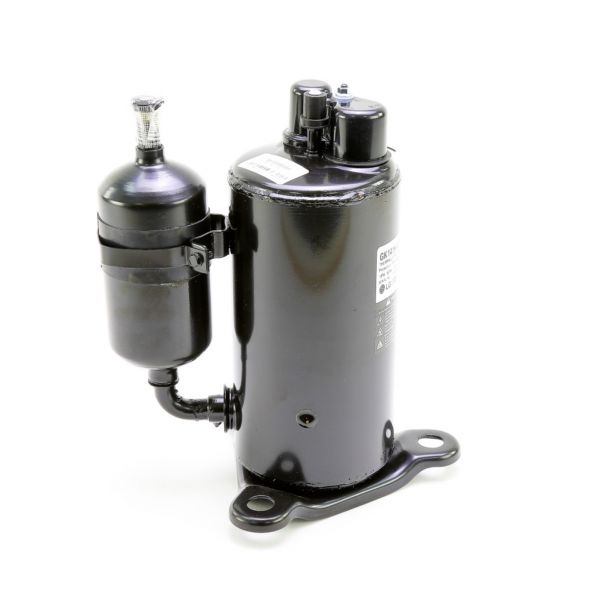
ClimateMaster 34B0108N01 208-230V1Ph R410A Compressor

Special Price $428.05 Regular Price $486.95
In stock
SKU
34B0108N01

The ClimateMaster 34B0108N01 208-230V 1Ph R410A compressor is an important component in HVAC systems that aids in the heat exchange process.As a compressor, whose primary function is to pump and compress the refrigerant, it is essential to the refrigeration cycle. While it is in operation, the compressor changes the low-pressure, low-temperature refrigerant vapor from the evaporator coil into high-pressure, high-temperature gas. The compressed gas condenses back into a liquid state after entering the condenser coil because it releases heat into the surrounding air. The heat transmission mechanism in heat pump and air conditioning systems depends on this cycle.


https://www.partshnc.com/media/catalog/product/3/4/34b0108n01.jpg
Manufacturer Name: ClimateMaster
Product Number: 34B0108N01
OEM Part Number: 34B0108N01
Product Description: 208-230V1ph R410a Compressor
Weight:28.94lbs/13126.95g

Choose the best HVAC equipment parts and supplies from PartsHnC!

  • Same Day Shipping

  • Best Quality And Best Price

  • Wide Range of Inventory

  • Best Customer Service

Have More Questions or Need Help to Place The Order?
Reach us at (866)773-0907 or [email protected]

Write Your Own Review
You're reviewing:ClimateMaster 34B0108N01 208-230V1Ph R410A Compressor
Your Rating
Customer Questions
What maintenance is required for the ClimateMaster 34B0108N01 Compressor?

Keep condenser coils clean and ensure proper airflow to avoid overheating and pressure buildup. Regularly inspect electrical connections, mounting hardware, and refrigerant lines for leaks or wear. Verify correct voltage supply and system charge to maintain efficient heat transfer and compressor operation.

What are common issues with the ClimateMaster 34B0108N01 Compressor?

  • Refrigerant leakage causing reduced cooling performance.
  • Electrical capacitor or wiring failure preventing startup.
  • Compressor overheating or tripping thermal protection.
  • Unusual vibration or noise from internal wear.
  • Loss of refrigerant charge leading to inefficiency.

Installation Steps

Step 1: Lockout power and recover refrigerant safely.

Step 2: Remove old compressor inspect lines and clean system.

Step 3: Mount the new compressor unit with vibration isolators and secure fittings.

Step 4: Braze suction/discharge lines with nitrogen purge.

Step 5: Evacuate to deep vacuum recharge and check leak-free operation.