Facebook Pixel

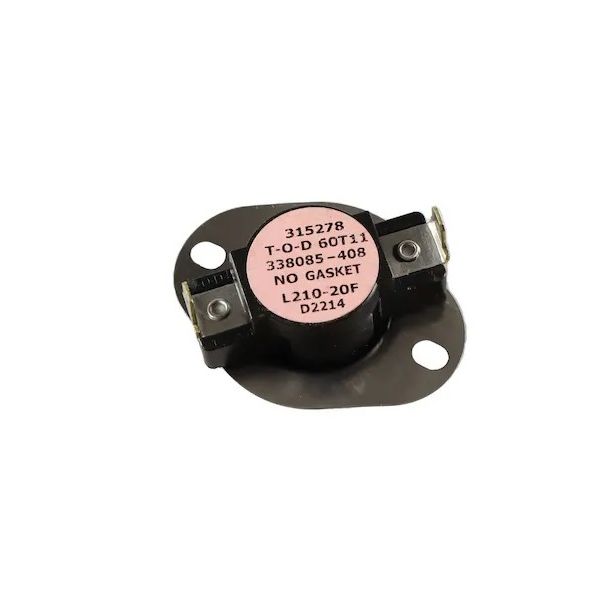
Carrier 338085-408 Limit Switch L210°F–20°F

Special Price $102.34 Regular Price $117.69
In stock
SKU
338085-408
The Carrier 338085-408 Limit Switch, a essential part meant for HVAC systems. This is a small but essential part of a safety guard that is monitoring temperature or any other physical parameter. Depending on the location of the sensor within the unit it can be activated by high or low temperatures of 210F – 20F. When the set limit is achieved, the relay inside the switch changes its position and either sequentially activates other components or turns a circuit on or off. Constructed from high quality to withstand tough climate conditions, it plays a crucial role in safeguarding the Carrier HVAC equipment against possible harm and assuresing safe operation.
https://www.partshnc.com/media/catalog/product/3/3/338085-408.jpg

Specifications

  • Temperature Range: L210°F-20°F
  • Weight: 0.02lbs
  • Relay Type: Sequencing or Switching
  • Length: 2 "
  • Width: 1.5 "
  • Height: 1.25 "
Manufacturer Name: Carrier
Product Number: 338085-408
OEM Part Number: 338085-408
Product Description: L210-20F Limit Switch
Weight:0.02lbs/9.07g

Choose the best HVAC equipment parts and supplies from PartsHnC!

  • Same Day Shipping

  • Best Quality And Best Price

  • Wide Range of Inventory

  • Best Customer Service

Have More Questions or Need Help to Place The Order?
Reach us at (866)773-0907 or [email protected]

Write Your Own Review
You're reviewing:Carrier 338085-408 Limit Switch L210°F–20°F
Your Rating
Customer Questions
What maintenance is required for the Carrier 338085-408 Limit Switch?

Inspect the limit switch regularly for dust buildup, loose wiring, or signs of overheating. Ensure the switch is securely mounted and that electrical connections remain tight. Test the switch periodically to confirm it opens and closes at the proper temperature. Always disconnect power before performing maintenance to prevent electrical shock.

What are common issues with the Carrier 338085-408 Limit Switch?

  • Failure to open or close properly.
  • Intermittent electrical contact.
  • Corrosion on terminals.
  • Physical damage from misalignment or impact.