Facebook Pixel

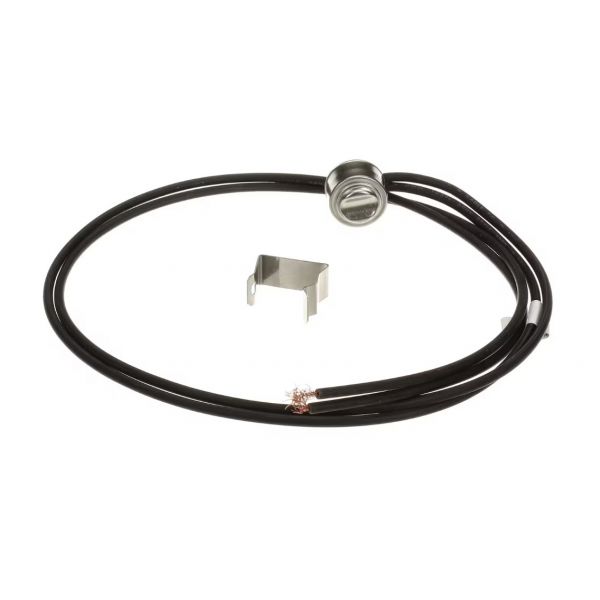
Heatcraft Refrigeration 30101701 Freeze Stat 210°F Differential 50°F

Special Price $84.56 Regular Price $97.24
In stock
SKU
30101701

The Heatcraft Refrigeration 30101701 210F Limit 50F Diff is an essential component in HVAC systems that is specifically designed to regulate temperature properly. It turns on when the temperature reaches 210°F and shuts off at a 50°F differential. This is mostly used in HVAC and commercial refrigeration systems to maintain accurate temperature control and protect delicate equipment and perishable items. The benefits of this device are found in its accuracy and dependability, by continuously maintaining ideal temperatures. The Heatcraft Refrigeration 30101701 210F Limit 50F Diff plays a critical role in improving the longevity and efficiency of HVAC equipment while maintaining the integrity of stored objects because of its capacity to avoid overheating and maintain correct refrigeration levels.

https://www.partshnc.com/media/catalog/product/3/0/30101701.jpg
Serves as an individual temperature-control component within applicable refrigeration equipment. The Heatcraft Refrigeration 30101701 Freeze Thermostat Discharge Line 210°F Limit 50°F Differential is associated with the discharge line as part of the equipment's control arrangement. Its design combines a discharge-line sensing application with a thermostat control structure. The 210°F Limit identifies the stated temperature limit, while the 50°F Differential identifies the stated differential value.

Thermal Sensing:
Detects the thermal condition present at the designated discharge-line location. The sensing section is exposed to the temperature at that point and transfers the resulting thermal change to the thermostat's internal operating mechanism. This stage provides the temperature input used by the control without describing the subsequent limit or circuit action.

Limit Response:
Applies the thermostat's defined temperature relationship to its internal operating mechanism. As the received thermal input reaches the relevant operating condition, the mechanism changes its position according to the control design. The differential defines the separation between the temperature points associated with the thermostat's state changes.

Replacement Guidelines:
Replacement requires matching the thermostat's temperature limit, differential, sensing configuration, electrical characteristics, mounting arrangement, and applicable equipment requirements. The Heatcraft Refrigeration 30101701 Freeze Thermostat Discharge Line 210°F Limit 50°F Differential replacement should also correspond with the existing discharge-line sensing arrangement and connected control circuit.

Common Failure Symptoms:

  • Temperature-related control operation becomes inconsistent.
  • The connected circuit does not change state as expected.
  • Equipment functions remain active or inactive unexpectedly.
  • Control responses become intermittent.
  • The system responds irregularly to changing thermal conditions.

Equipment Compatibility:
The Heatcraft Refrigeration 30101701 Freeze Thermostat Discharge Line is intended for refrigeration equipment applications specifically documented for this component. Verify the equipment model number, existing component identification, and manufacturer's parts documentation before purchase.

Technical Specifications:
Brand: Heatcraft Refrigeration
Part Number: 30101701
Product Type: Freeze Thermostat
Application: Discharge Line
Temperature Limit: 210°F
Temperature Differential: 50°F

Write Your Own Review
You're reviewing:Heatcraft Refrigeration 30101701 Freeze Stat 210°F Differential 50°F
Your Rating
Customer Questions
What is the primary function of the Freeze Thermostat?

The Freeze Thermostat helps maintain proper operating temperatures in refrigeration systems by controlling the defrost cycle. It ensures that the evaporator coils do not freeze, which can affect system efficiency.

Is the Freeze Thermostat adjustable?

Yes, the Freeze Thermostat is adjustable to allow for customization of the defrost cycle initiation based on the specific requirements of the refrigeration system.

Can I use the Freeze Thermostat with both commercial and residential refrigeration systems?

The Freeze Thermostat can be used in various refrigeration applications, including both commercial and certain residential setups.

What maintenance is required for the Heatcraft Refrigeration 30101701 Thermostat?

Regularly inspect the thermostat for dust, corrosion, or loose connections. Ensure it is securely mounted and the sensing bulb is properly positioned. Follow electrical safety precautions when handling the unit. Proper maintenance ensures accurate temperature control and prevents system malfunctions.

What are common issues with the Heatcraft Refrigeration 30101701 Thermostat?

  • Inaccurate temperature readings.
  • Thermostat failing to activate or deactivate.
  • Loose or damaged wiring affecting operation.
  • Corrosion or buildup on contacts reducing conductivity.

Why is the sensing location important for a discharge-line thermostat?

A dedicated sensing location allows the thermostat to respond to the thermal condition present at that specific point in the equipment.

What happens electrically when the thermostat reaches its switching condition?

The 30101701 changes the state of its contact section, altering the electrical path connected to the associated equipment function.

How does a freeze thermostat respond to a change in temperature?

The sensing section transfers the detected thermal change to the internal mechanism, which responds according to the control's operating design.

What type of control component is the 30101701?

The 30101701 is a temperature-responsive control component that uses a specified thermal condition to initiate an electrical switching response.

How does the 30101701 support refrigeration control operation?

The 30101701 provides a temperature-responsive switching function within the associated refrigeration control arrangement.

Installation Steps

Step1: Turn off power to the refrigeration unit before starting.

Step2: Remove the old thermostat and note capillary routing.

Step3: Mount the new thermostat in the same location and secure it.

Step4: Connect wiring per manufacturer diagram and position the sensing bulb correctly.

Step5: Restore power and test temperature control and differential response.