Facebook Pixel

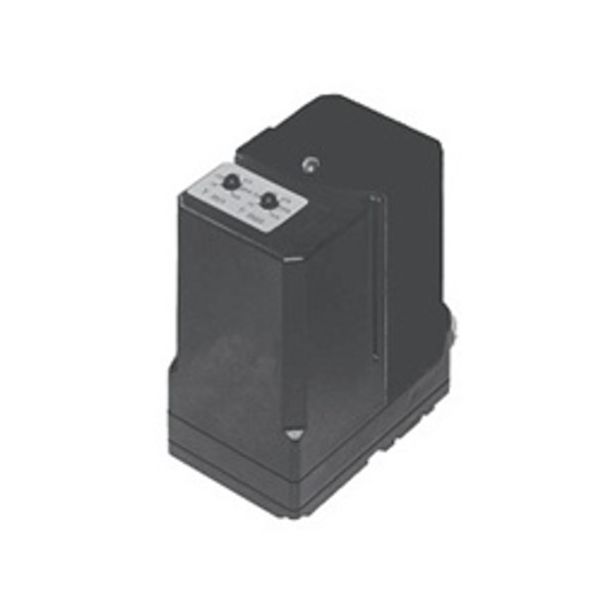
Dungs Pressure Switches 267253 DMA30C120 Actuator Motor 4-20mA 30 Seconds

Special Price $880.64 Regular Price $977.51
Out of stock
SKU
267253
The Dungs Pressure Switches 267253 together with the DMA30C120 Actuator Motor is used for precise regulation in HVAC systems. It uses a 4-20mA current signal and has a 30-second travel time to position the dampers or valves based on pressure changes detected by the switch. This arrangement ensures that there is enough control of the flow of air thereby improving the performance of the system and energy use. It is applied to regulate the temperature changes, and to keep the correct conditions within the HVAC system for enhancing comfort and IAQ. The benefits are the high accuracy, energy saving, and the improvement of the system’s performance.
https://www.partshnc.com/media/catalog/product/2/6/267253_dungs-pressure-switches_partshnc.jpg

Specifications

  • Type: Actuator Motor
  • Input Signal: 4-20mA
  • Travel Time: 30 Seconds
Manufacturer Name: Dungs Pressure Switches
Product Number: 267253
OEM Part Number: 267253
Product Description: Dma30c120 4-20Ma Motor 30Sec
Weight:2.01lbs/911.72g

Choose the best HVAC equipment parts and supplies from PartsHnC!

  • Same Day Shipping

  • Best Quality And Best Price

  • Wide Range of Inventory

  • Best Customer Service

Have More Questions or Need Help to Place The Order?
Reach us at (866)773-0907 or [email protected]

Write Your Own Review
You're reviewing:Dungs Pressure Switches 267253 DMA30C120 Actuator Motor 4-20mA 30 Seconds
Your Rating
Customer Questions
What maintenance is required for the Dungs 267253 DMA30C120 Actuator Motor?

Regularly inspect for dust, debris, or moisture accumulation. Check electrical connections and calibration of the signal. Lubricate moving parts if recommended and ensure proper airflow to prevent overheating and maintain accurate operation.

What are common issues with the Dungs 267253 DMA30C120 Actuator Motor?

  • Inaccurate or delayed actuator response.
  • Signal calibration drift in the input.
  • Excessive noise or vibration during operation.
  • Electrical connection failures.
  • Mechanical binding or obstruction of movement.

Installation Steps

Step 1: Turn off all power to the system for safety.

Step 2: Remove the existing actuator motor from the control assembly.

Step 3: Disconnect wiring and any mechanical linkages carefully.

Step 4: Install the new actuator motor, ensuring proper alignment and secure mounting.

Step 5: Reconnect wiring, restore power, and test actuator movement and signal response.