Product Overview:
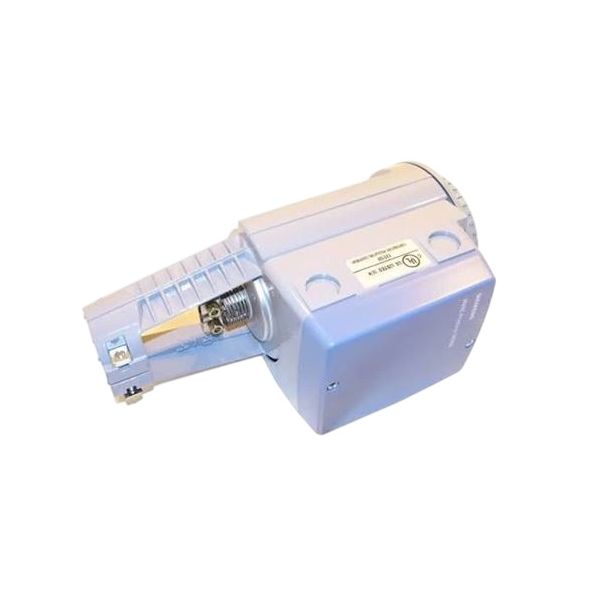
Valve regulation in HVAC systems requires an actuator that converts electrical control signals into mechanical movement. The Siemens Building Technology SKD62UA S/R Reversible Actuator is an OEM control component designed for compatible valve assemblies. Its reversible operating mechanism converts control inputs into actuator movement, supporting automated valve positioning within heating and cooling equipment.
Actuator Operation:
The actuator converts electrical control inputs into mechanical movement to operate the connected valve. Its reversible mechanism supports movement in the required direction according to the control arrangement.
Valve Regulation:
The actuator adjusts valve positioning to regulate the flow of heating or cooling media through connected HVAC equipment. This positioning regulates the flow of heating or cooling media according to the connected control system's requirements.
Replacement Guidelines:
Replace the Siemens Building Technology SKD62UA when it fails to respond to control signals, cannot position the connected valve correctly, or produces inconsistent actuator movement. Replacement may also be necessary when an internal drive or control fault prevents reliable reversible operation.
Common Signs of Failure:
Failure to respond to control signals
Inconsistent valve positioning
Irregular actuator movement
Actuator movement stops before reaching the commanded valve position
Valve position fluctuates despite a steady control signal
Equipment Compatibility:
The Siemens Building Technology SKD62UA is an OEM S/R reversible actuator designed for compatible HVAC valve assemblies. Its 24V operating voltage and 0-10 VDC control signal define its electrical operating requirements. Verify the original part number, valve configuration, and equipment documentation to confirm the correct application before purchasing.
Technical Specifications:
Brand: Siemens Building Technology
Part Number: SKD62UA
Product Type: Reversible Actuator
Actuator Type: S/R
Operating Voltage: 24V
Control Signal: 0-10 VDC
 Loyalty Program