
Facebook Pixel

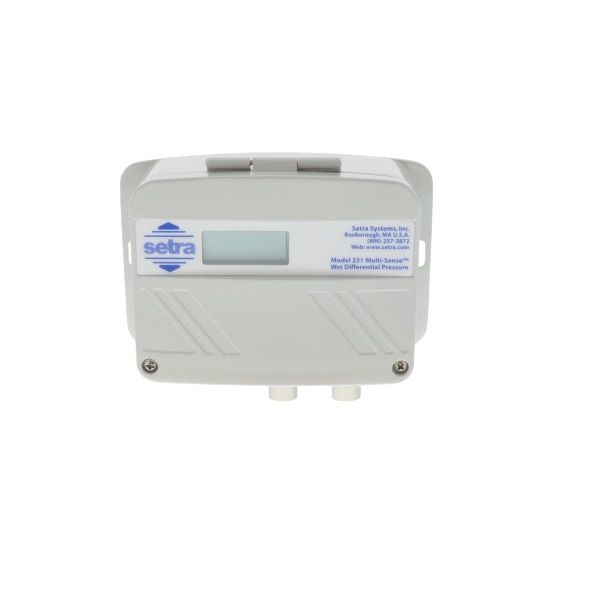
Setra 231G-MS3-2F-D Wet-to-Wet Differential Pressure Transducer 25/50/125/250 PSID

Special Price $700.69 Regular Price $777.76
In stock
SKU
231G-MS3-2F-D

The Setra 231G-MS3-2F-D 25,50,125,250 Wettowet Xducer is a pressure transducer intended primarily to measure wetness in HVAC systems. The term "wetness" describes a temperature and humidity combination. This transducer is often used in humidifiers, dehumidifiers, and air handlers.It works by turning the applied pressure into an electrical signal. This signal is then used by the HVAC system to control numerous processes and maintain ideal humidity levels within buildings. It's important to maintain the right humidity for a number of reasons.The Setra 231G-MS3-2F-D 25,50,125,250# Wettowet Xducer is noted for its long-lasting design and tolerance to harsh environments, making it an excellent choice for a variety of HVAC applications. 

https://www.partshnc.com/media/catalog/product/2/3/231g-ms3-2f-d.jpg
Manufacturer Name: Setra
Product Number: 231G-MS3-2F-D
OEM Part Number: 231G-MS3-2F-D
Product Description: 25,50,125,250# Wettowet Xducer
Weight:1.69lbs/766.57g

Choose the best HVAC equipment parts and supplies from PartsHnC!

  • Same Day Shipping

  • Best Quality And Best Price

  • Wide Range of Inventory

  • Best Customer Service

Have More Questions or Need Help to Place The Order?
Reach us at (866)773-0907 or [email protected]

Write Your Own Review
You're reviewing:Setra 231G-MS3-2F-D Wet-to-Wet Differential Pressure Transducer 25/50/125/250 PSID
Your Rating
Customer Questions
What maintenance is required for the Setra 231G-MS3-2F-D Differential Pressure Transducer?

Regularly inspect pressure ports and diaphragms for contamination or blockages and ensure proper wetting fluid compatibility. Calibrate periodically for accuracy and stable readings. Avoid overpressure and follow safety isolation procedures during servicing.

What are common issues with the Setra 231G-MS3-2F-D Differential Pressure Transducer?

  • Signal drift under unstable temperature conditions.
  • Zero offset or calibration loss.
  • Diaphragm contamination causing inaccurate readings.
  • Port clogging or pressure response delay.
  • Output instability or fluctuating differential pressure signals.
  • Failure to reach expected full-scale pressure response.

Installation Steps

Step 1: Turn off power and isolate pressure lines to secure leaks or damage.

Step 2: Mount the transducer securely in a vibration-free location.

Step 3: Connect high and low-pressure ports to the correct lines with fittings.

Step 4: Wire the system to the control unit per the output signal diagram.

Step 5: Restore pressure gradually and check for leaks.

Step 6: Power on, and check accurate readings.