Facebook Pixel

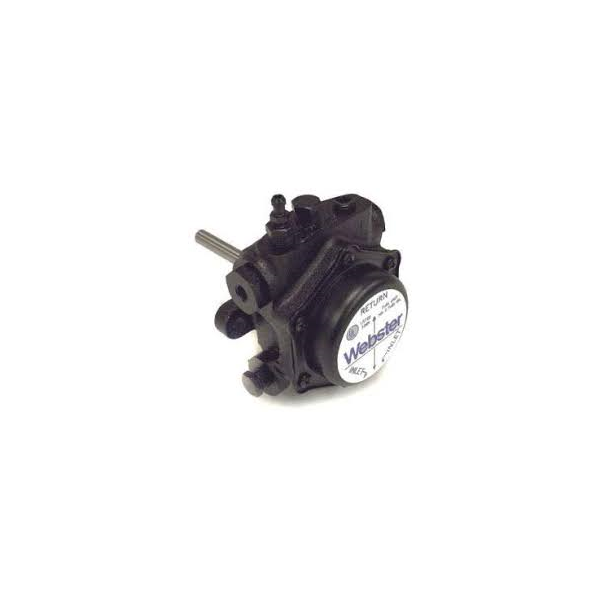
Webster 22R221C-5C3 Fuel Unit 3450 RPM CCW/L 21 GPH

Special Price $381.08 Regular Price $423.00
In stock
SKU
22R221C-5C3
The Webster 22R221C-5C3 Fuel Unit is a two-stage oil pump, which is designed to supply a continuous flow of fuel to oil-fired HVAC systems and combustion appliances. It has a rated capacity of 3450 RPM and counterclockwise rotation and left-side positioning of its ports, which is rated to feed up to 21 gallons per hour to burners at boilers and commercial or residential furnaces. This unit is fitted between the supply of oil and the burner nozzle to control the flow and pressure to help in the proper atomization and stable combustion.
Manufacturer:

https://www.partshnc.com/media/catalog/product/2/2/22r221c-5c3_webster_partshnc.jpg
Manufacturer Name: Webster
Product Number: 22R221C-5C3
OEM Part Number: 22R221C-5C3
Product Description: Fuel Unit 3450 Rpm Ccw/L 21 Gph
Weight:8lbs/3628.74g

Choose the best HVAC equipment parts and supplies from PartsHnC!

  • Same Day Shipping

  • Best Quality And Best Price

  • Wide Range of Inventory

  • Best Customer Service

Have More Questions or Need Help to Place The Order?
Reach us at (866)773-0907 or [email protected]

Write Your Own Review
You're reviewing:Webster 22R221C-5C3 Fuel Unit 3450 RPM CCW/L 21 GPH
Your Rating
Customer Questions
What maintenance is required for the Webster 22R221C-5C3 Fuel Unit?

Regularly inspect the fuel unit for leaks, clogs, or corrosion. Clean filters and connections to ensure proper fuel flow. Check pump operation and mounting stability. Following safety precautions when handling fuel prevents accidents.

What are common issues with the Webster 22R221C-5C3 Fuel Unit?

  • Fuel leaks or dripping.
  • Reduced or inconsistent fuel flow.
  • Pump failing to reach full speed.
  • Corrosion or clogged components.

Installation Steps

Step1: Ensure the engine is off and disconnect the battery to prevent accidental ignition.

Step2: Remove the old fuel unit by detaching fuel lines and mounting bolts carefully.

Step3: Position the new Fuel Unit in place and secure with bolts.

Step4: Reconnect fuel lines, ensuring tight, leak-free connections.

Step5: Reconnect the battery and prime the fuel system per engine guidelines.

Step6: Test the unit at low throttle, checking for leaks or abnormal operation.