Facebook Pixel

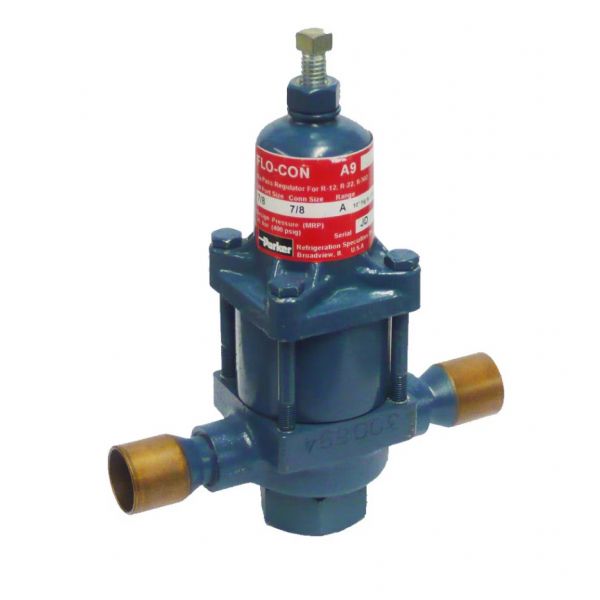
Parker Refrigeration Specialties 186327 Refrigeration Pressure Control Valve 7/8" ODF 7/8" Port 10" 120 PSI A9E

Special Price $832.15 Regular Price $923.69
In stock
SKU
186327
The Parker Refrigeration Specialties 186327 A9E Refrigeration Pressure Control Valve is an accurate control part used in HVAC system. It has a 7/8” ODF connection and operates within the pressure range of 10”HG to 120 PSIG to enhance the performance of the system. This is suitable for commercial refrigerator, chiller and air conditioning systems, which can reduce pressure fluctuation, improve system stability and performance. This makes it to have a long durability and it will not require frequent replacement. It enhances cooling efficiency, durability of equipment and energy efficiency.
https://www.partshnc.com/media/catalog/product/1/8/186327.jpg

Specifications

  • Type: Pressure Control
  • Port Size: 7/8"
  • Connection Type: 7/8" ODF
  • Pressure: 10" HG to 120 PSIG
  • Model: A9E
Write Your Own Review
You're reviewing:Parker Refrigeration Specialties 186327 Refrigeration Pressure Control Valve 7/8" ODF 7/8" Port 10" 120 PSI A9E
Your Rating
Customer Questions
What maintenance is required for the Parker Refrigeration Specialties 186327 Pressure Control Valve?

Regularly inspect the valve for leaks, corrosion, or pressure inconsistencies. Ensure connections are tight and free from refrigerant leakage. Check for proper pressure regulation during operation. Always follow safety procedures and depressurize the system before performing maintenance operations.

What are common issues with the Parker Refrigeration Specialties 186327 Pressure Control Valve?

  • Inconsistent pressure regulation.
  • Refrigerant leakage at connections.
  • Valve sticking or restricted movement.
  • Failure to maintain set pressure levels.

Installation Steps

Step 1: Isolate power and refrigerant system depressurize before work begins.

Step 2: Remove old valve noting flow direction and control line connections.

Step 3: Install new valve in correct orientation and tighten fittings securely.

Step 4: Connect sensing electrical lines per diagram ensuring proper sealing.

Step 5: Restore pressure gradually check for leaks and verify operation and settings.