
Facebook Pixel

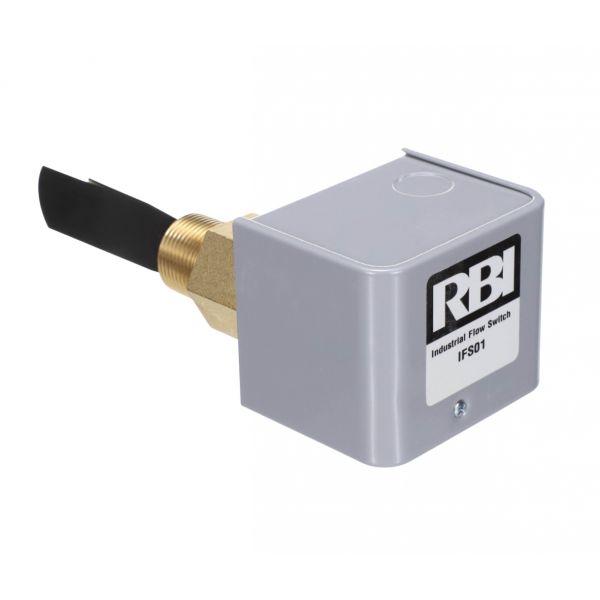
RBI Boiler 14-0201 Flow Switch

Special Price $279.54 Regular Price $310.29
Out of stock
SKU
14-0201
The RBI Boiler 14-0201 Flow-Switch is a safety and control vital component used in HVAC systems, particularly boilers and hydronic heating systems. This flow-switch monitors water flow so that when the burner ignition is allowed, it prevents overheating and damage. It improves the system efficiency, reduces energy waste and prolongs the life of equipment by making sure it is operated at the better possible level. It is commonly used in boilers to provide reliable protection against dry firing as well as to improve the overall system performance. This is an essential safeguard for keeping the HVAC heating system safe and efficient and has durable construction with precise operation.
https://www.partshnc.com/media/catalog/product/1/4/14-0201.jpg

Specifications

  • Type: Flow Switch
    Write Your Own Review
    You're reviewing:RBI Boiler 14-0201 Flow Switch
    Your Rating
    Customer Questions
    What maintenance is required for the RBI Boiler 14-0201 Flow Switch?

    Regularly inspect the flow switch for debris, sediment, or scale buildup that could interfere with proper operation. Check electrical connections for tightness and corrosion. Test the switch to confirm accurate flow detection. Always isolate power and relieve system pressure before servicing.

    What are common issues with the RBI Boiler 14-0201 Flow Switch?

    • Failure to detect flow accurately.
    • Switch not activating or deactivating properly.
    • Debris causing blockage or restricted movement.
    • Electrical faults or intermittent signal issues.

    Installation Steps

    Step 1: Isolate power and water supply, and fully depressurize the system before installation.

    Step 2: Remove old switch, noting flow direction and wiring connections carefully.

    Step 3: Mount new flow switch in correct orientation within the pipeline.

    Step 4: Connect electrical leads per wiring diagram and ensure secure sealing.

    Step 5: Restore system, check for leaks, and test flow activation.