Facebook Pixel

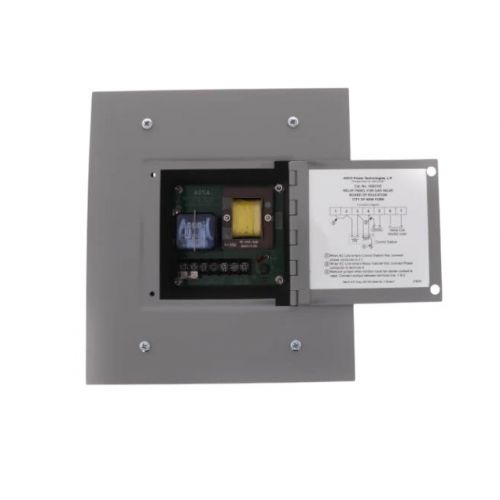
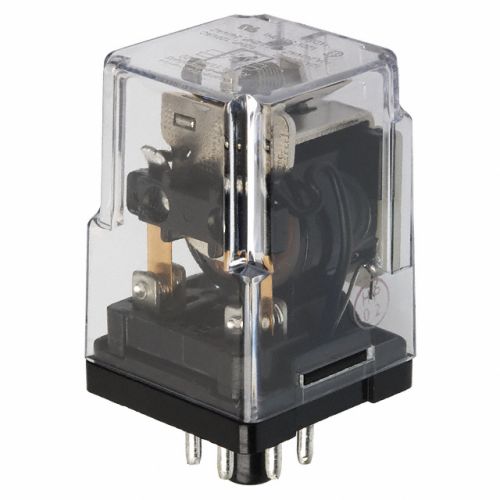
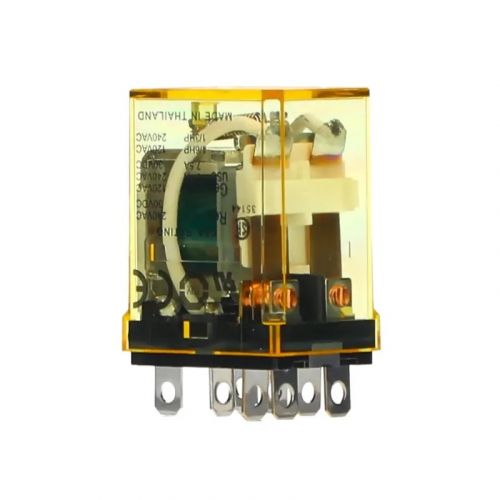
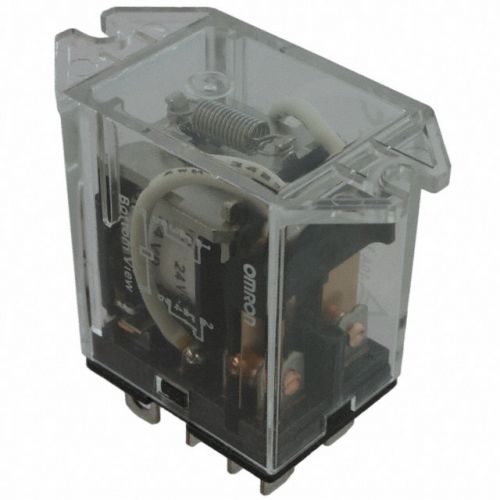
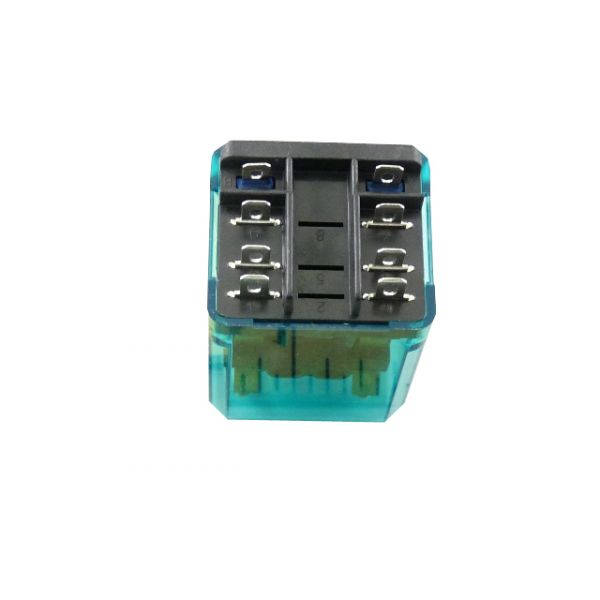
ASCO 115277 DPDT Relay 24 VDC Bom 255102

Special Price $68.70 Regular Price $79.00
In stock
SKU
115277

The ASCO 115277 24Vdc DPDT Relay (BOM 255102) is a critical component employed in HVAC systems to facilitate reliable switching and control of electrical circuits.  It functions as a flexible link between control systems and different HVAC equipment. Placed inside air handling units, furnaces, or control panels, the relay operates by first taking in input signals and subsequently guiding electrical currents to turn on or off particular parts or features. Even in harsh HVAC conditions, it operates consistently thanks to its robust design and trustworthy performance. The ASCO 115277 Relay improves system efficiency, safety, and dependability by offering precise control over electrical circuits. It is a useful addition to HVAC systems due to its adaptable design and dependable operation

Manufacturer:
https://www.partshnc.com/media/catalog/product/1/1/115277_asco_partshnc.jpg
Electrical control systems rely on relays to switch connected circuits as part of an equipment control sequence. The ASCO 115277 DPDT Relay 24 VDC Light Green BOM 255102 is a relay designed for control applications using the specified contact arrangement and coil voltage. Its configuration provides switching between designated electrical contact paths within the associated control circuit.

Electromagnetic Switching:
Relay operation is based on electromagnetic actuation, where an energized coil creates a magnetic field that moves the internal contact mechanism. This movement changes the electrical connection between the available contact paths. When the coil is de-energized, the contact mechanism returns to its corresponding resting state. This switching principle allows an electrical control signal to operate another connected circuit.

Operating Sequence Coordination:
Within an electrical control circuit, the relay acts as an electrically actuated switching point between the control signal and the connected circuit paths. Its contact arrangement allows associated circuits to be coordinated as the equipment control sequence changes. This enables the relay to transfer electrical connections between designated paths during operation. The relay therefore provides a controlled connection between different parts of the electrical sequence.

Replacement Guidelines:
A relay should be considered for replacement when its switching operation no longer corresponds with the required control sequence or when the installed component does not match the equipment documentation. Identification of the required component can be confirmed by comparing the specified details with the ASCO 115277 DPDT Relay 24 VDC Light Green BOM 255102 during parts identification. This helps establish that the required relay configuration and associated reference correspond with the equipment documentation.

Common Signs of Wear:

  • Control circuits fail to switch as expected.
  • Electrical switching becomes intermittent during operation.
  • Contacts remain in an incorrect switching state.
  • Connected control circuits do not change state when commanded.
  • Equipment operation becomes inconsistent when the relay circuit is involved.

Equipment Compatibility:
ASCO 115277 DPDT Relay 24 VDC Light Green BOM 255102 is intended for control applications where the equipment documentation specifies this relay identification and configuration. The listed part number, contact arrangement, coil voltage, and BOM reference should correspond with the component specified for the applicable equipment.

Technical Specifications:
Brand: ASCO
Part Number: 115277
BOM Number: 255102
Product Type: DPDT Relay
Contact Configuration: Double Pole Double Throw (DPDT)
Coil Voltage: 24 VDC

Write Your Own Review
You're reviewing:ASCO 115277 DPDT Relay 24 VDC Bom 255102
Your Rating
Customer Questions
How does the DPDT configuration of the relay kit benefit HVAC systems?

The DPDT configuration enables the simultaneous control of two separate circuits, making it versatile for various system operations.

Is professional installation recommended, or can I install the relay kit myself?

While some users can install it themselves, professional installation is recommended, especially for larger systems, to ensure proper setup.

What is the expected lifespan of the relay kit in an HVAC system?

The relay kit is designed for longevity and can have a long lifespan, often lasting for several years, depending on usage and environmental conditions.

What maintenance is required for the ASCO 115277 DPDT Relay?

Regularly inspect the relay for dust, corrosion, or loose terminals. Ensure coil voltage matches specifications and test switching operation periodically. Clean contacts if accessible and replace the relay at the first sign of pitting or inconsistent operation to maintain system reliability.

What are common issues with the ASCO 115277 DPDT Relay?

  • Contacts sticking or pitting.
  • Coil failure or insufficient voltage activation.
  • Intermittent switching or relay chatter.
  • Loose or corroded electrical connections.

How does a DPDT relay control multiple electrical circuit paths?

The relay switches multiple circuit paths through its changeover contacts, allowing associated circuits to be coordinated within the control sequence.

What happens when the coil of a DPDT relay is energized?

Electromagnetic force moves the internal contacts, changing the connected circuit paths.

How does a DPDT relay interact with an equipment control circuit?

The relay serves as a switching point between the control signal and associated electrical circuit paths within the equipment.

Why does the relay's coil electrical requirement matter during operation?

The specified coil voltage establishes the electrical condition needed to energize the relay coil and actuate its internal contacts.

How can I confirm the ASCO 115277 DPDT relay before purchasing?

Match the ASCO manufacturer identification and 115277 part number with the applicable equipment control-circuit documentation to confirm the intended relay.

Installation Steps

Step1: Turn off all power to the circuit before installation.

Step2: Remove the old relay by disconnecting wires and loosening mounting screws.

Step3: Position the new relay in the socket or panel, ensuring correct orientation.

Step4: Reconnect all wires to the corresponding terminals according to the wiring diagram.

Step5: Secure the relay in place without over-tightening screws.

Step6: Restore power and test relay operation to ensure proper switching.

Step7: Follow electrical safety guidelines and wear protective equipment during installation.