 Loyalty Program

Tubes in HVAC systems transport refrigerant, water, or air between components like compressors, coils, and evaporators, enabling heat exchange. Made from copper, aluminum, or steel, they’re durable and corrosion-resistant. Proper fittings and regular checks prevent leaks and ensure efficiency.
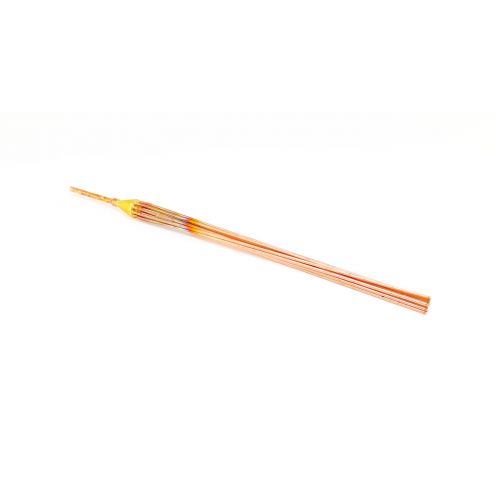 -10%York S1-022-09035-010 10-Tube Distributor/ Valve Assembly Orifice-104Special Price $328.64 Regular Price $364.79Out of stock
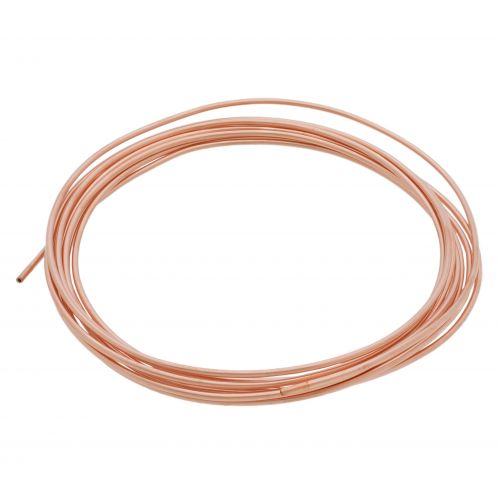
 -13%International Comfort Products 64930 10' Pilot TubeSpecial Price $57.58 Regular Price $66.22Out of stock
 -13%
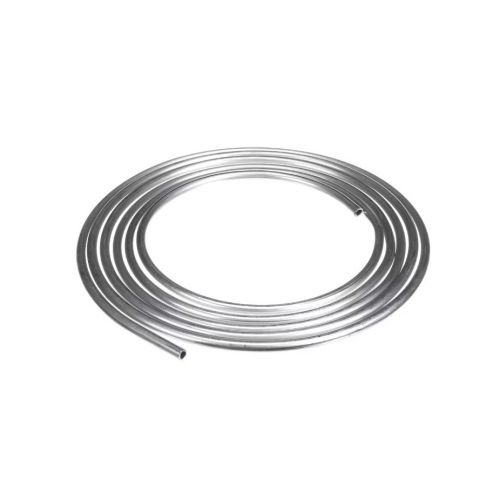
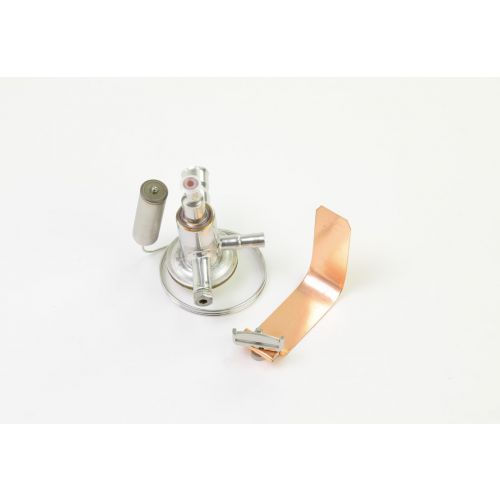
-13% -13%Danfoss 068U2020 Thermal Expansion Valve (TXV) R134A Tube-03 1/4" X 1/2"Special Price $101.11 Regular Price $116.28Out of stock
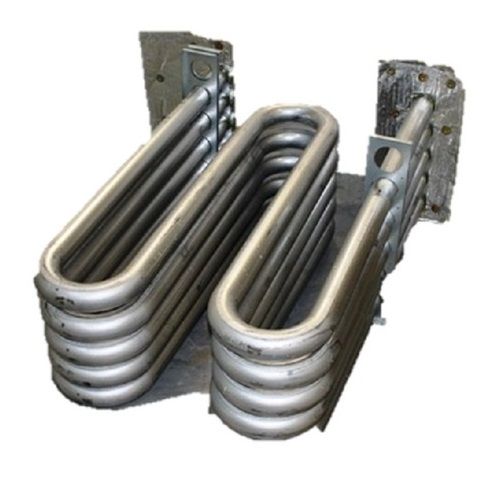
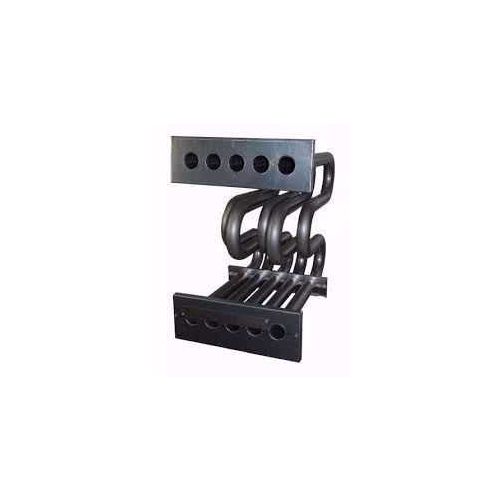
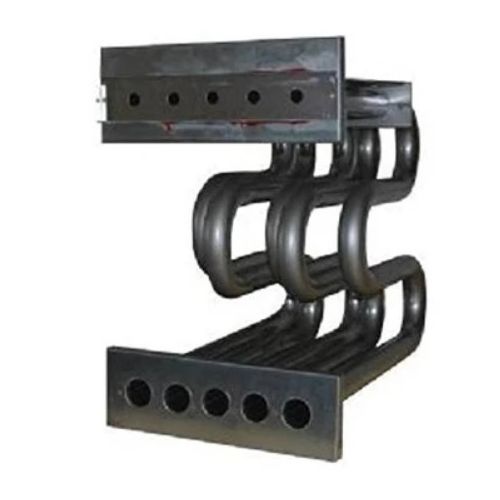
- -10%York S1-363-90016-703 5-Tube Heat ExchangerSpecial Price $2,488.76 Regular Price $2,762.52Out of stock
- -10%York S1-363-93521-705 5-Tube Heat ExchangerSpecial Price $2,397.46 Regular Price $2,661.18Out of stock
- -10%York S1-373-12894-705 5-Tube Heat ExchangerSpecial Price $3,537.30 Regular Price $3,926.40Out of stock
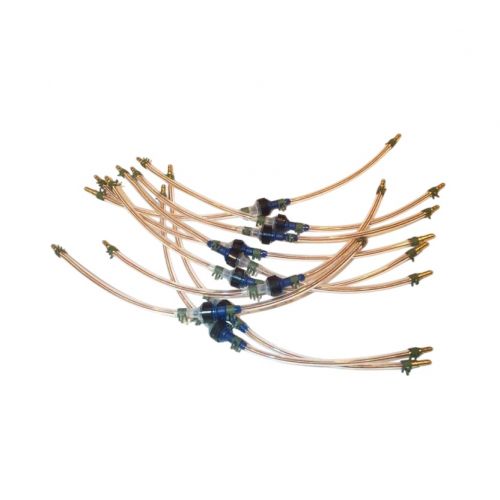
- -13%Siemens 192-505 5/32" Tubing Loop W/Couplings & Unions 10 PiecesSpecial Price $174.11 Regular Price $200.23
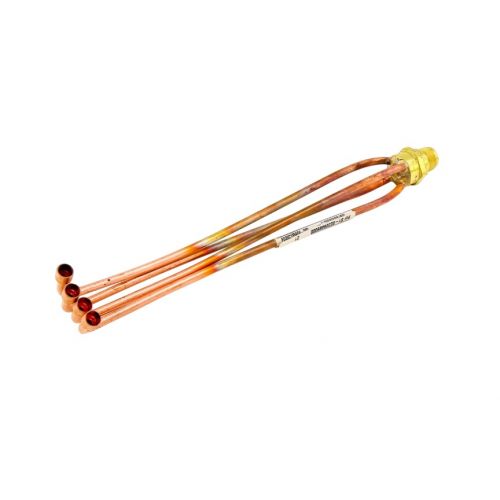
- -13%York S1-022-09089-000 4-Tube Distribution Assembly 38" X 942"Special Price $109.13 Regular Price $125.50Out of stock
- -10%York S1-363-90016-701 4-Tube Heat ExchangerSpecial Price $2,070.78 Regular Price $2,298.56Out of stock

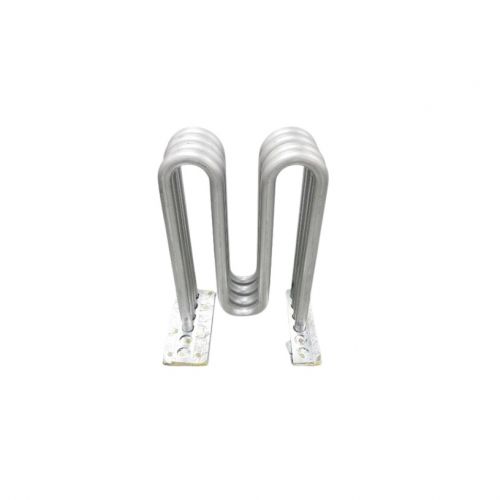
HVAC Tube Replacement Parts
Tubes are essential components in HVAC systems, primarily used for transporting refrigerant, water, or air between different parts of the equipment. They serve as the circulatory system of HVAC units, connecting components like compressors, coils, condensers, and evaporators to enable efficient heat exchange and system operation.
HVAC tubes are typically made of copper, aluminum, or steel, chosen for their durability, thermal conductivity, and corrosion resistance. Key parts of tubing systems include straight runs, bends, joints, and fittings that ensure tight, leak-free connections. Common signs include hissing sounds, poor performance, frozen coils, or visible oil stains near joints or connections. Causes of failure may include corrosion, physical damage, or vibration-induced wear. Regular inspection, leak detection, and proper insulation help prevent tube-related issues and maintain HVAC efficiency.
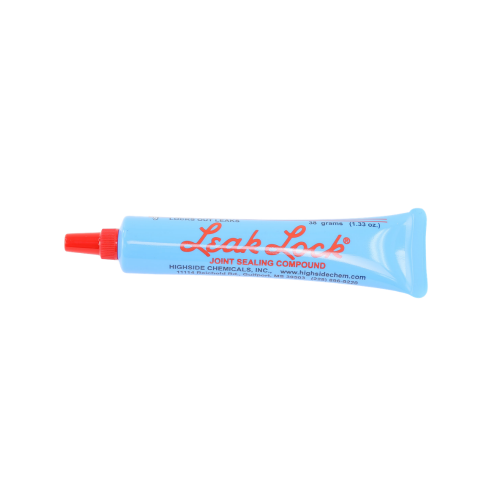
At PartsHnC, we offer a wide range of HVAC tubes, including 5-Tube Heat Exchangers, pilot tubes with fittings (1/8" X 24"), tube leak locks, (1/8 inch) pilot tubes, and 5/32" tubing loops with couplings & unions (10 pieces). Our inventory also includes tube burner assemblies, 8 oz thermal mastic tubes, air tube combinations, and burner tubes with pilot brackets from top brands like Carrier, Utica-Dunkirk, Supco, Weil McLain, and more.
FAQs
Why do HVAC tubes leak?
Corrosion, vibration, poor installation, or physical damage can cause refrigerant or water leaks.
How can I detect a tube leak?
Use leak detection tools (dye, electronic detectors) or look for oil stains, hissing sounds, or reduced performance.
What causes tube corrosion?
Moisture, chemicals, or galvanic reactions between dissimilar metals can corrode HVAC tubing over time.
Why do tubes freeze in a heat pump or AC system?
Low refrigerant, poor airflow, or dirty coils can cause the refrigerant inside the tubes to drop below freezing.