 Loyalty Program

Hago nozzles atomize fuel in oil burners, offering precise flow rates and spray patterns, hollow, semi-solid for efficient combustion in heating systems. Regular inspection ensures performance.
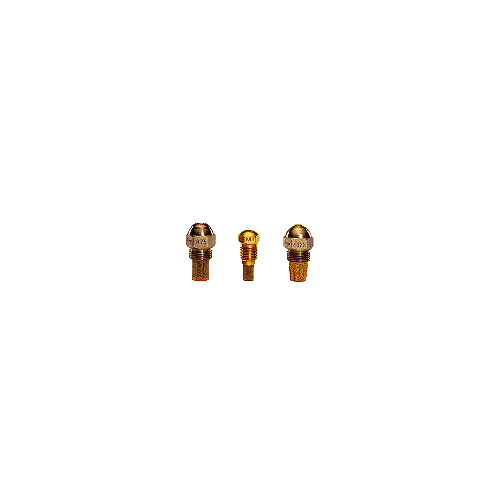
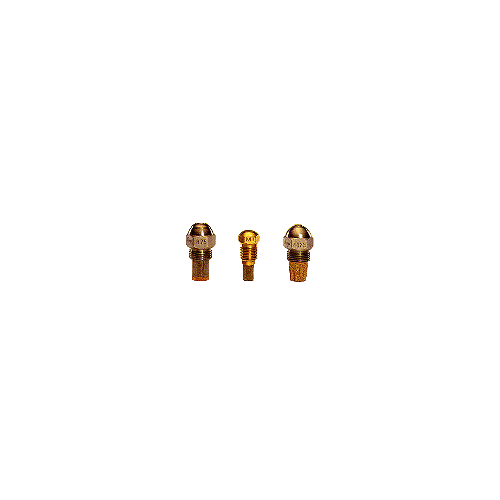
Hago Burner Parts for Industrial Applications
Hago parts are essential components used in oil heating systems, known for their precision and durability. These parts include nozzles designed for various spray patterns and flow rates to support efficient combustion. The primary function of Hago nozzles is to atomize fuel oil for proper mixing with air, ensuring clean and consistent combustion. Common components include semi-solid and hollow spray nozzles, available in different sizes to suit system requirements. Signs that parts may need replacement include uneven flame patterns, poor ignition, or increased fuel usage. Regular maintenance of these components helps maintain heating efficiency and performance during colder months.
Parts HnC offers a selection of Hago parts, including semi-solid 65-80SGPH-NOZZ and hollow 300-80HGPH-NOZZ, suited for various oil burner applications.
FAQs
How often should I replace Hago parts?
Replacement depends on system usage and environment, but regular inspections every 6 to 12 months help identify when parts need changing.
What causes Hago parts to fail?
Wear and tear, environmental factors like dust and moisture, and improper maintenance are common causes.
Can Hago sensors be used for temperature and humidity control?
Yes, Hago offers sensors that accurately measure temperature and humidity for better system control.
What should I do if a Hago sensor gives inaccurate readings?
Try recalibrating or replacing the sensor after checking wiring and cleanliness.
What are common signs of failing Hago actuators?
Slow or unresponsive movement, unusual noises, or failure to hold position are signs of actuator issues.
Can Hago parts help reduce HVAC noise?
Yes, properly functioning dampers and actuators can reduce vibration and noise in HVAC systems.